Rhodohypoxis
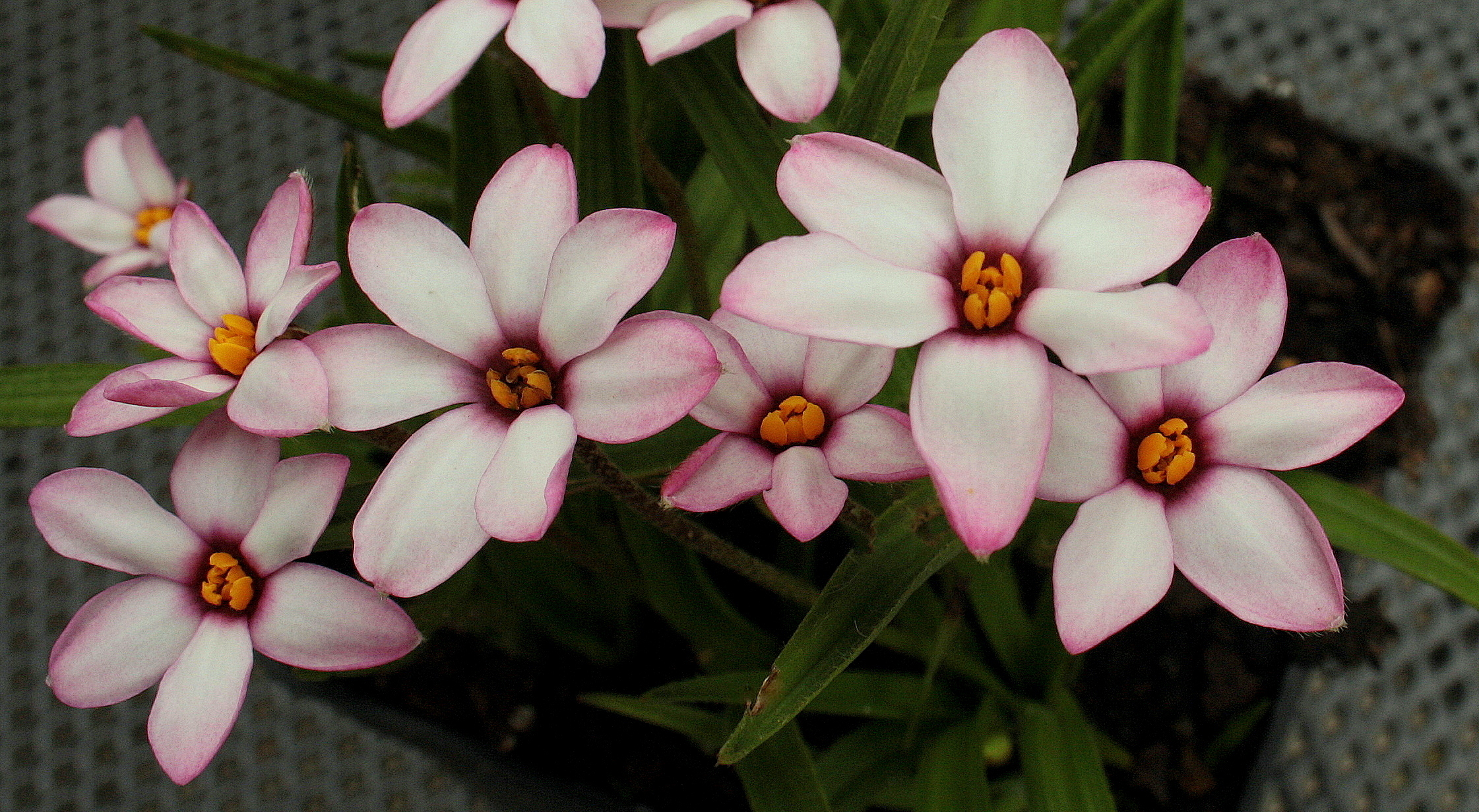
In 1876, Baker described several species of the genus Hypoxis “Allmost all of these species are yellow, except the reddish Hypoxis baurii”. After 38 year, botanist G.Nel described Rhodohypoxis as a new genus. His main argument was the difference in flower morphology (flower petals standing in two lines), and also the shape and colours of the petals of Rhodohypoxis differ with those of Hypoxis. In the 1920’s Mrs. S.K. Garnett-Botfield got some Rhodohypoxis bulbs (rootstocks) from South Africa. These plants did have red and white flowers. She propagated, crossed and selected Rhodohypoxis for years and named some new cultivars. Members of her family did continue her work.
Commercial selling of Rhodohypoxis started in the 1930’s. There are still some of the older cultivars from those days in cultivation. Over the years newly collected Rhodohypoxis have been sent from South Africa to England. Breeding of Rhodohypoxis has and will be continued by several nurseries and plantsmen.
See also:
– Herbertia 55-200 (74-86) – Yassica Singh – Rhodohypoxis, beauty in abundance.
– Botanische Jahrbücher für Systematik, Pflanzengeschichte und Pflanzengeographie,
Leipzig, 1914 (250-287)- Gert C. Nel: Studien über die Amaryllidaceae-Hypoxidaceae, unter besonderer Berücksichtigung de Afrikanischer Arten.
Hypoxis
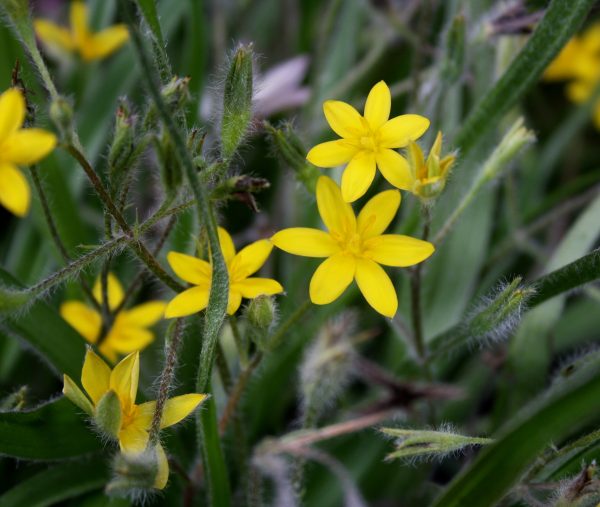
Hypoxis plants are easily recognized by their bright yellow star-shaped flowers and elongated leaves. Plants overcome winter conditions in the form of a rootstock (corm). This is predominantly a grassland genus, preferring full sunlight. Most of the Hypoxis species grow in the southern part of Africa, but in Asia, Australia and America also some species can be found. Almost all Hypoxis flowers (petals) are yellow, and also pollen grains are yellow. Bees and honeybees do pollinate these flowers. Rootstocks of the larger Hypoxis are uprooted in the hills around villages by African healers. Corms can grow to over 5 cm in diameter.
At this moment only a few nurseries have some species in cultivation: Hypoxis parvula, Hypoxis hirsuta, Hypoxis hygrometrica, Hypoxis setosa, Hypoxis hemerocallidae, Hypoxis angustifolia and a few others. There are no cultivars.
–
More information:
– Y. Singh – (thesis 2009) – Hypoxis (Hypoxidaceae) in southern Africa.
Department of Science, Botany, University of Pretoria, Pretoria, South Africa.
– Kocyan A. et al., (2011), Molecular phylogenetics of Hypoxidaceae –
evidence from plastid DNA data and inferences on morphology and biogeography. Molec. Phylogen. Evol. 60: 122 – 136.
Rhodoxis
Rhodoxis (rapid stars) are hybrids from intergeneric crossings of Hypoxis and Rhodohypoxis. A few natural crossings were sent to England: Rhodoxis hybrida, Rhodoxis Hebron Farm Red Eye and Rhodoxis Hebron Farm Pink.
So far most new plants do have fertile flowers and will grow seeds under the right conditions. So, breeding new varieties by inbreeding, crossing and backcrossing should be possible. Seedlings grown do have more variation in plantsize, flowercolour and shape of the petals. The yellow colour of the Hypoxis is usually lost in the first crossing and has taken us 25 years to find a Rhodoxis with yellow petals (Rhodoxis First Yellow).
In England several nurseries have also been breeding new Rhodoxis cultivars.
In 1996 we saw the first flower of a new Rhodoxis at our nursery. Since then we have been breeding Hypoxidae by crossing Rhodohypoxis, Hypoxis and Rhodoxis. We prefer natural crossings by various insects, especially hoverflies and bees, flying around at our nursery. Seeds are collected and sown immediately after collecting. Germination takes 3-6 weeks. Within a year the first flowers of hybrids do bloom. As soon as Rhodoxis flowers open up we take some photos. These new Rhodoxis flowers are shown on our website every year. The best plants are numbered after selection, and bulbs are multiplied. After 4-7 years we ask growers to compare new Rhodoxis with the older ones. It takes a minimum of 8-10 years after collecting the seeds before a new Rhodoxis cultivar is introduced.
We have the largest collection of Rhodoxis cultivars and several promising seedlings.
Hypoxidaceae are used as accent or companion plants by bonsai growers.
Rhodoxis cultivars:
Rhodoxis Aaltje
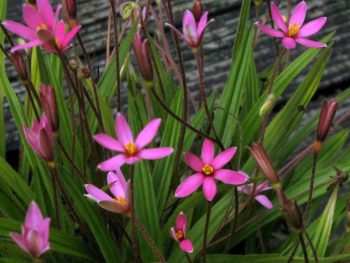
One of the smaller Rhodoxis plants with many pink flowers. Long flowering. Flowers open and close by sun and temperature.
Rhodoxis Abigail
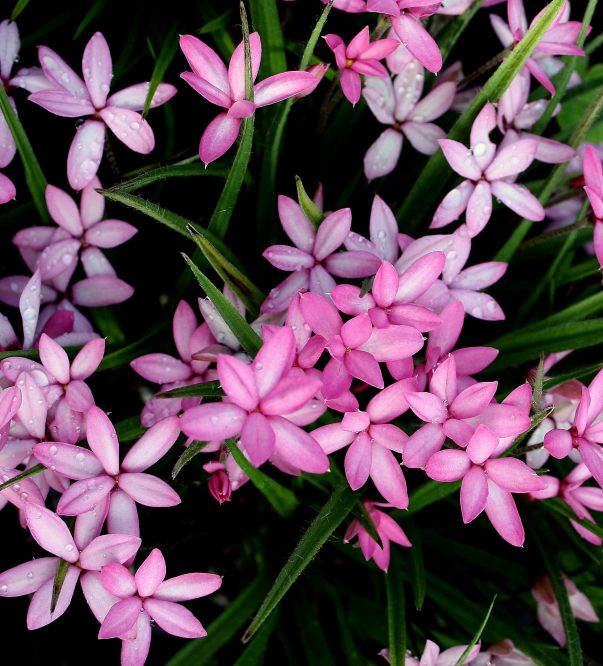
An English Rhodoxis with many pink flowers, flowering for a long time.
Rhodoxis Anna Maria
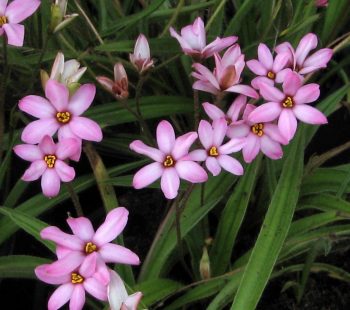
One of the first seedlings of crosses with Hypoxis. Open light pink flowers with larger eye, flowering for over 3 months.
Rhodoxis Anne Crock
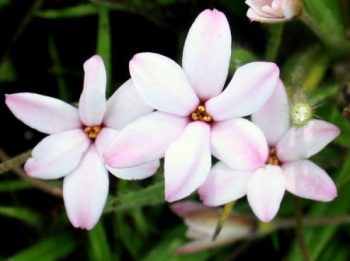
A smaller English Rhodoxis with cream-white flowers.
—————————————————————————————————————————————————————————————————————————
Rhodoxis Asma
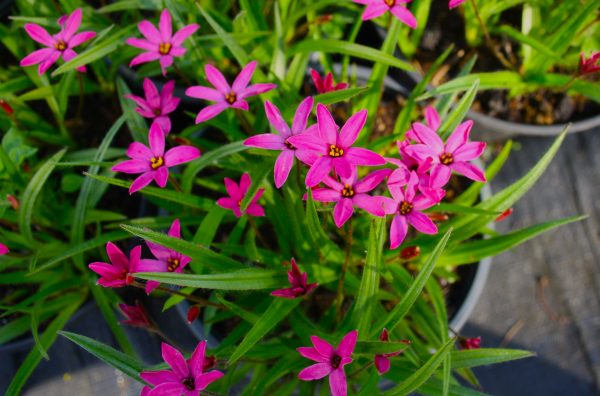
A seedling from Rhodoxis Sonja with open red flowers.
Rhodoxis Aurora
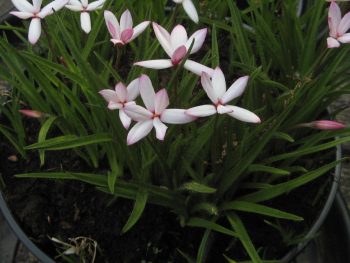
An English Rhodoxis with many flowers. Larger plant, growing well.
Rhodoxis Aukje
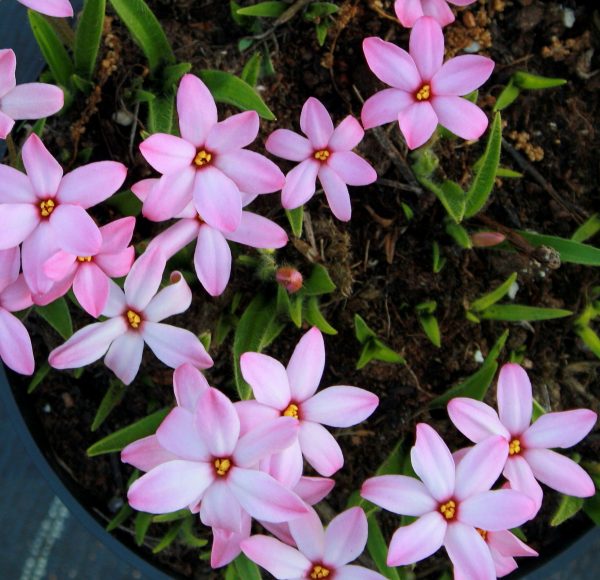
A Rhodoxis with larger open pink blush flowers. Smaller plant. Flowers above leaves.
Rhodoxis Aya San
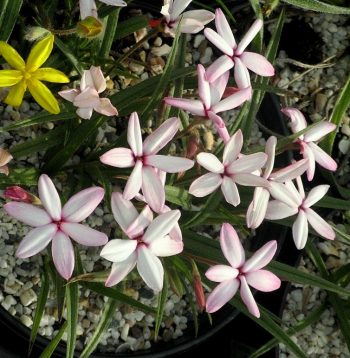
An English Rhodoxis with larger flowers. Long flowering above the leafs and growing well.
Rhodoxis Mrs. Betsy
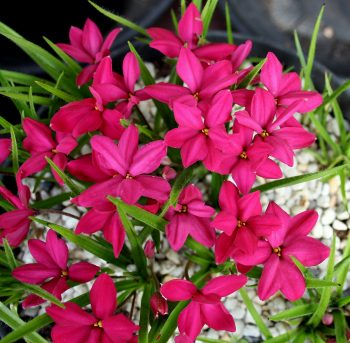
Larger Rhodoxis with larger red flowers. The yellow of the anthers in the eye stands out against the red of the petals. Growing well.
Rhodoxis Bianca
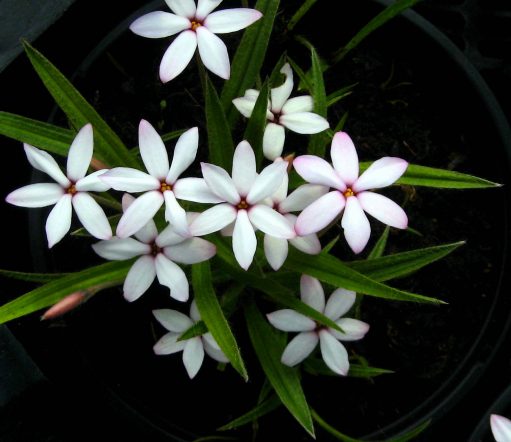
A smaller Rhodoxis with many smaller cream-white flowers.
Rhodoxis Bloodstone
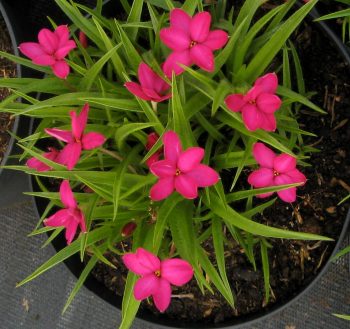
A smaller English Rhodoxis with many red flowers. Flowering and growing well.
Rhodoxis Cerise
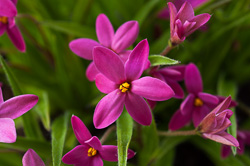
An well known English Rhodoxis with many pink flowers. Flowering and growing well.
Rhodoxis Charlot
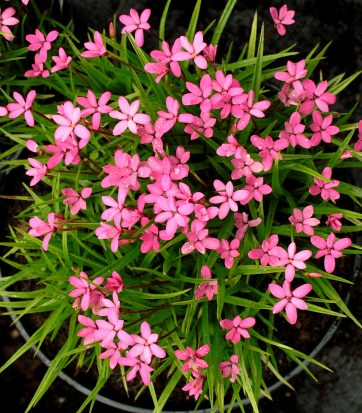
One of the smaller Rhodoxis with many small pink flowers. Flowering and growing well.
Rhodoxis Drieka
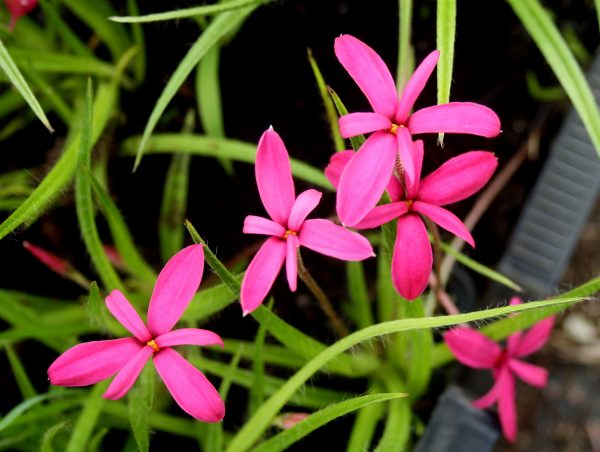
A seedling from Rhodoxis Hendrika. Plant flowering with pink/red flowers, growing well.
Rhodoxis Emma
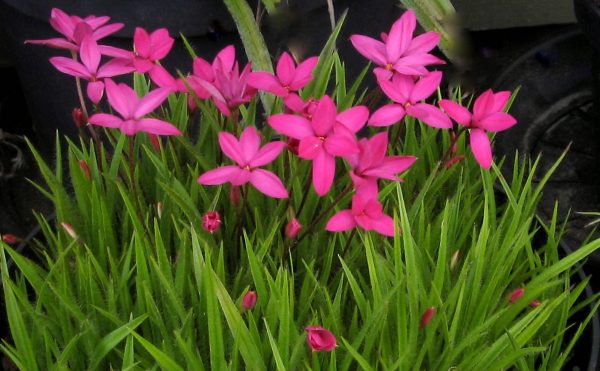
A smaller Rhodoxis with many pink/red flowers. Seedling of Rhodoxis Pink Stars.
Rhodoxis Evelien
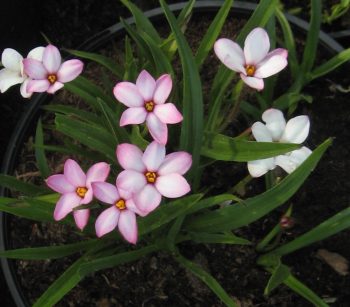
A lower Rhodoxis with larger open flowers, prominent yellow stamen in the eye. Flowering for a long time.
Rhodoxis Fairy Tale ®
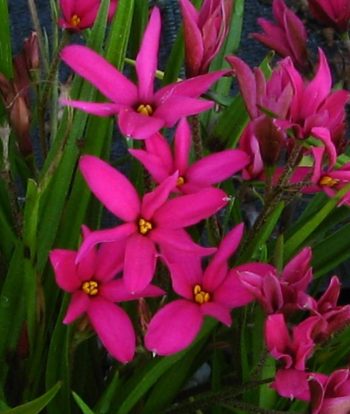
A rapidly growing Rhodoxis with many pink/red flowers. Flowering for a long period.
Rhodoxis Fairy Kisses ®
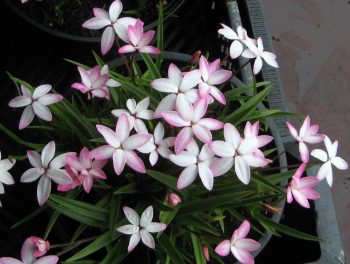
A Rhodoxis with many beautiful light pink flowers. Flowering above the leaves. Growing well.
Rhodoxis Fairy Snow ®
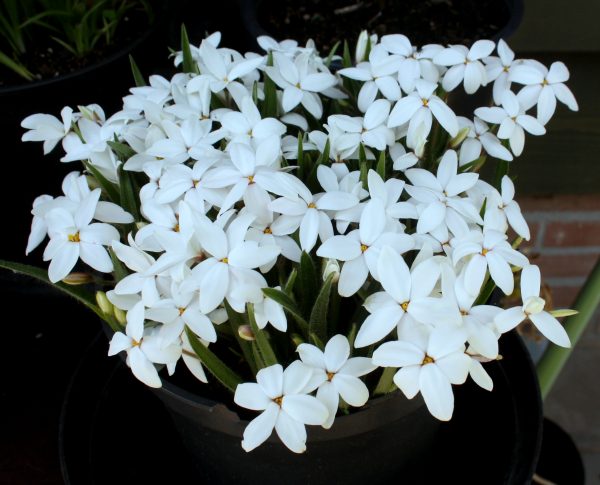
A mutant from Rhodoxis Fairy Kisses. Pure white flowers. Plant growing and flowering well.
Rhodoxis Fanny
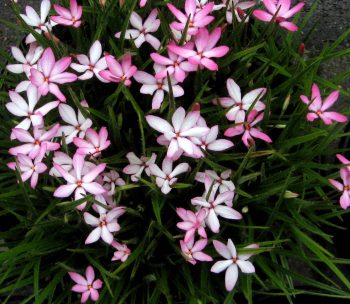
Larger Rhodoxis for a 2l to 3l pot. With longer leaves. Many large light pink flowers. Growing very well.
Rhodoxis First White
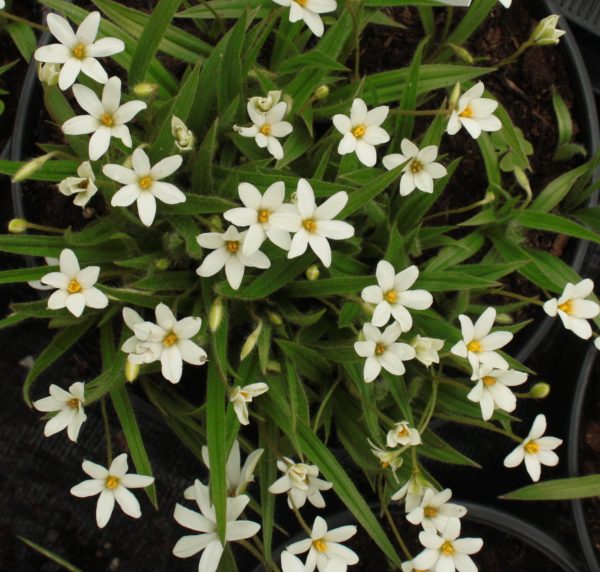
Our first Rhodoxis flowering with many smaller white flowers. A nice plant, flowering for a longer period.
Rhodoxis First Yellow
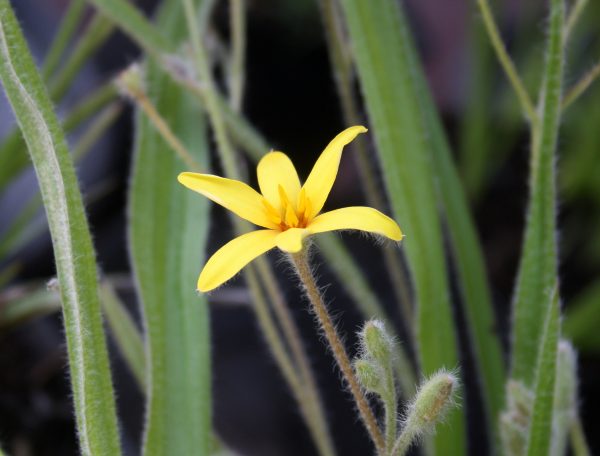
Our First seedling with yellow flowers, after 25 years of breeding. Growing and flowering like Hypoxis. (The chance for such a cross is very very low but if you have some patience it is possible!)
Rhodoxis Floor
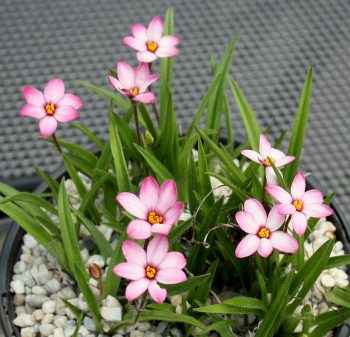
Rhodoxis seedling of Rhodoxis Evelien. More pink in larger open flowers.
Rhodoxis Grietje
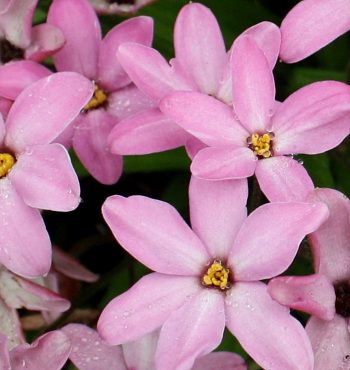
Rhodoxis with many pink flowers. Flowering and growing well.
Rhodoxis Guurtje
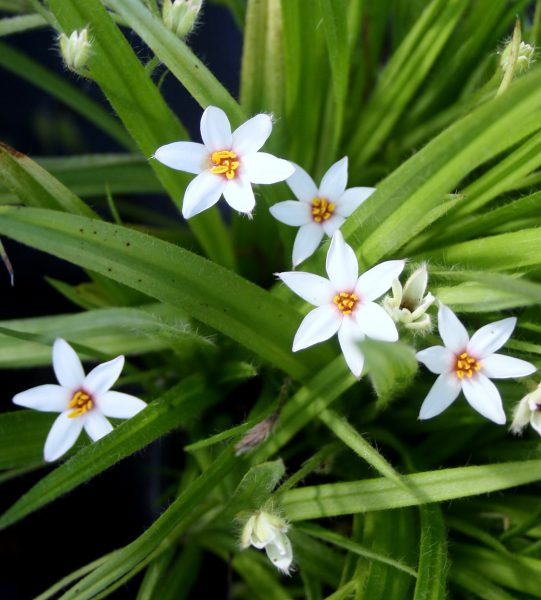
Another Rhodoxis seedling with plant and flowers like Hypoxis. Many flowers from early June to Oktober.
Rhodoxis Hendrika
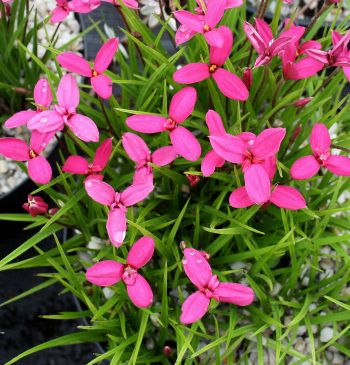
Rhodoxis with larger red flowers. The inner petals are very short. Flowering above the leaves. Larger plant growing well.
Rhodoxis Hebron Farm Pink
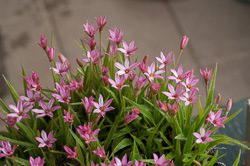
South African Rhodoxis with many smaller pink flowers. Smaller plant, flowering for a long time in summer.
Rhodoxis Hebron Farm Red Eye
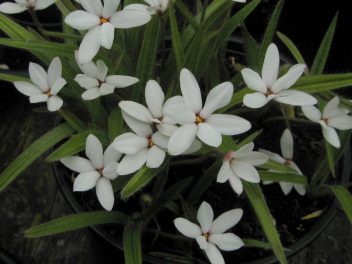
A larger South African Rhodoxis with many white flowers with red eye in the middle. Flowering and growing well.
Rhodoxis hybrida
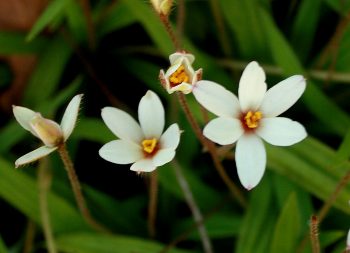
A smaller South African Rhodoxis with open white flowers. For a long time flowering.
Rhodoxis IJtje
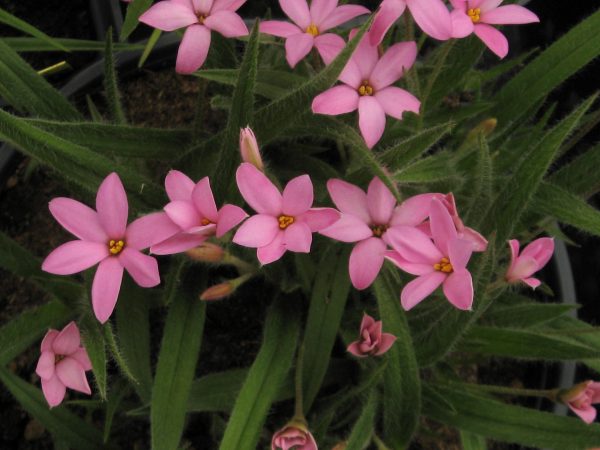
A vigorously growing cultivar. Free flowering for a long period.
Rhodoxis Irene
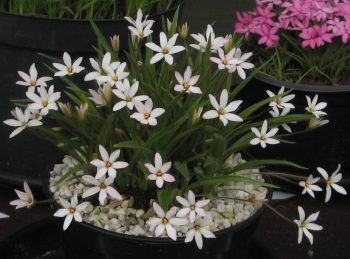
A Rhodoxis with many cream-white flowers. Nice plant for 1,5l to 2l pot. Flowering for a long time.
Rhodoxis Jannie
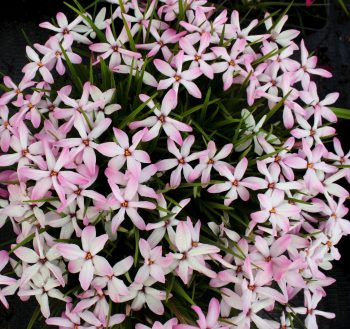
Larger Rhodoxis with many light pink larger flowers. Flowering just above the leaves. Growing well.
Rhodoxis Jenny
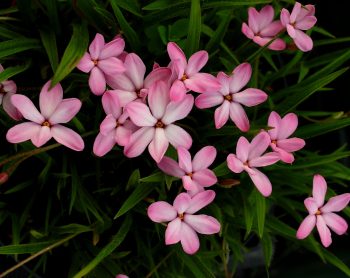
A Rhodoxis with larger light pink flowers. Flowers on longer stems. Flowering well.
Rhodoxis Jorien
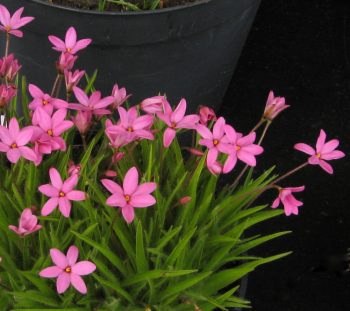
A Rhodoxis with many pink flowers. Looks a bit like Rhodoxis Cerise but with more flowers. Growing well.
Rhodoxis Klazien
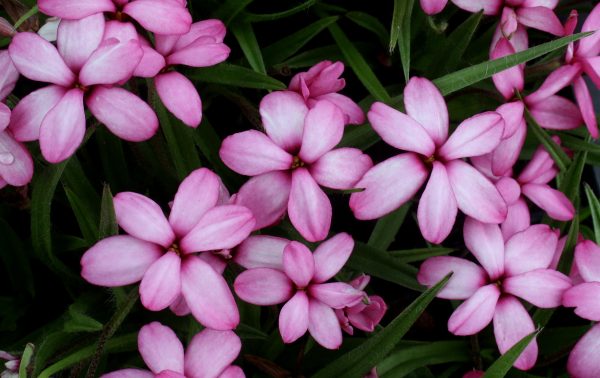
A Rhodoxis with many larger firm pink flowers. Flowering above the firm green leaves. A more robust plant, growing well.
Rhodoxis Little Pink Pet
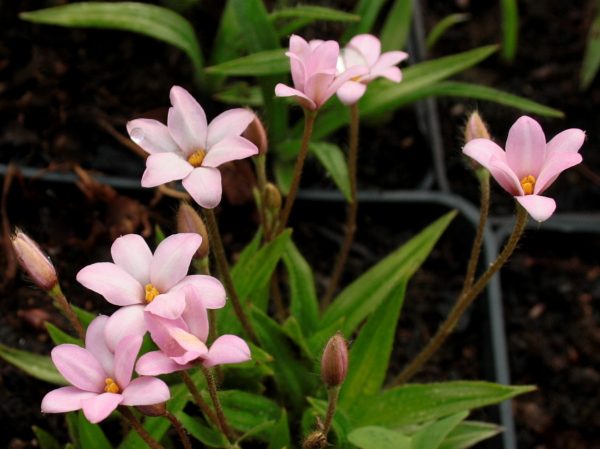
A smaller English Rhodoxis with many light pink flowers. Nice plant flowering for a long time.
Rhodoxis Maartje
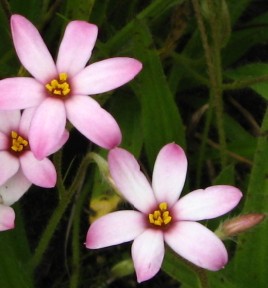
A Rhodoxis with many open light pink flowers. Flowers on longer stems. Flowering for a long time and growing well.
Rhodoxis Mies
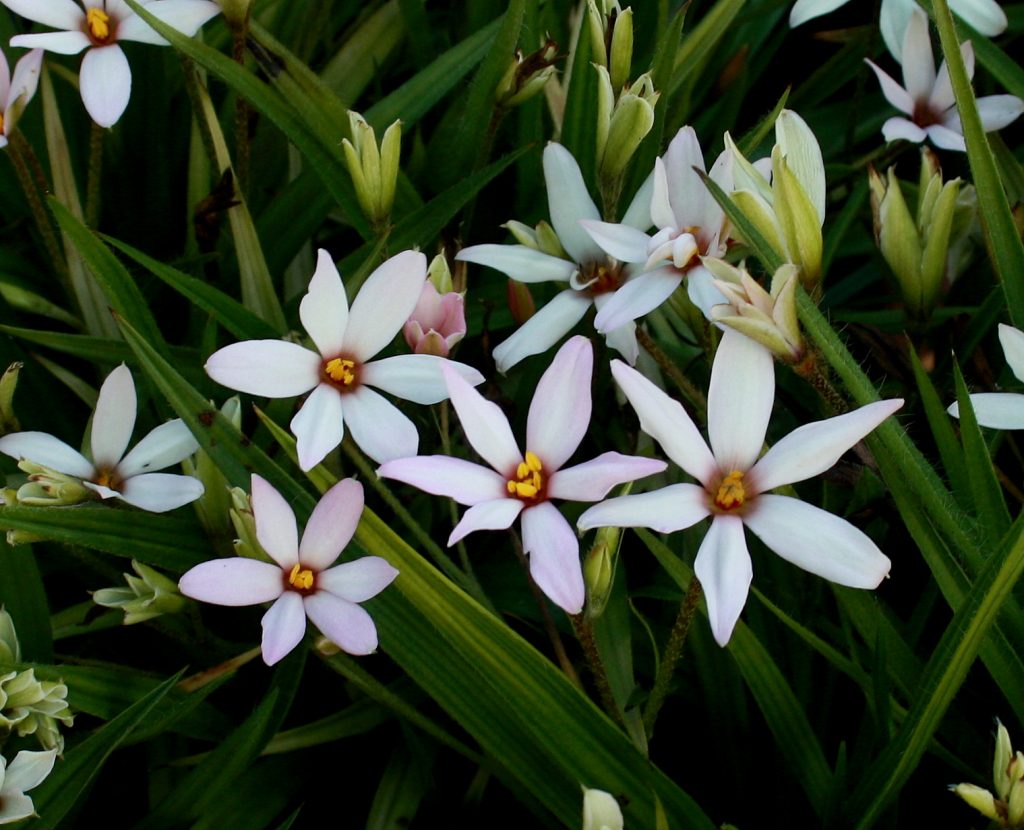
A smaller Rhodoxis with many cream-w hite flowers. A red eye in the middle of the flower. Flowering for a very long period.
Rhodoxis Naatje
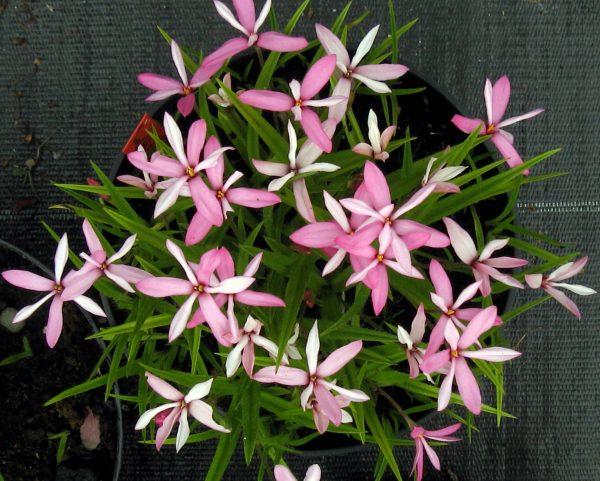
A Rhodoxis with many weird pink flowers. Smaller plant growing and flowering well.
————————————————————————————————————————————————————————————————————————————–
Rhodoxis Nanda
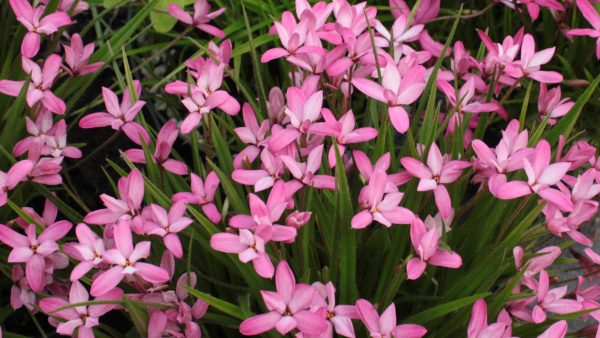
A vigorously growing plant with many flowers. Growing very well. Leaves keep growing
Rhodoxis Neeltje
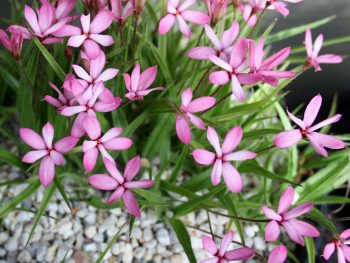
A large Rhodoxis with large pink flowers on long stems. Plant for a 3l pot or larger. Leaves keep growing all season.
Rhodoxis Nina
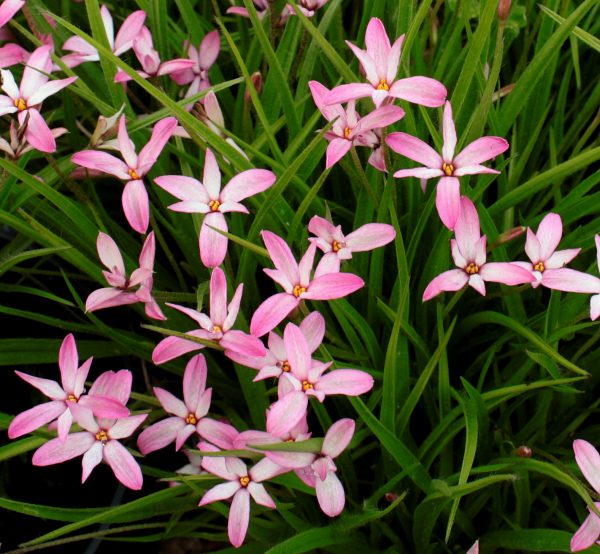
Rhodoxis with many smaller light pink flowers. Flowering well. Leaves keep growing.
Rhodoxis Otterlo Ruby
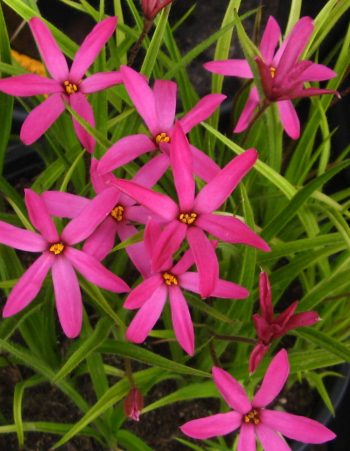
One of our earliest seedlings. Rhodoxis with very large pink flowers on longer stems. Growing very well.
Rhodoxis Pink Stars
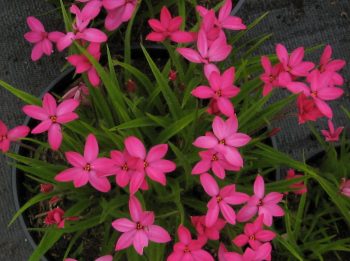
An English Rhodoxis with bright dark pink flowers. A larger plant, free flowering and growing well.
Rhodoxis Pisa
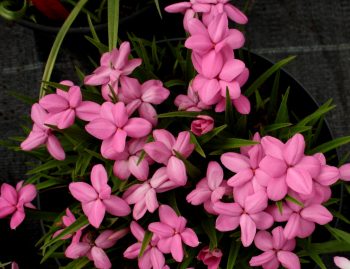
A Rhodoxis with many pink flowers. Eye of flower almost closed.
Rhodoxis Ria
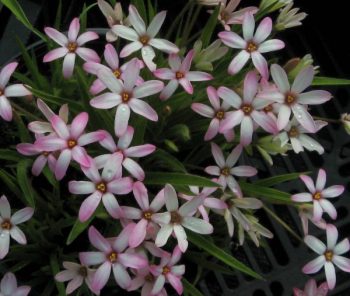
Rhodoxis with many bicoloured flowers. The pink on the end of the petals slowly fades . Growing well.
Rhodoxis Ruby Giant
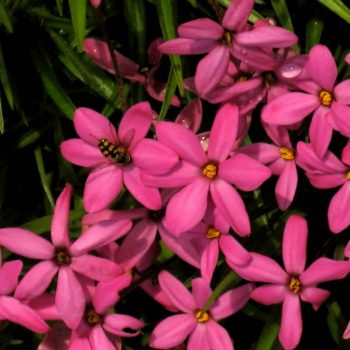
English Rhodoxis with many pink flowers. The color slowly fades. . Growing very well.
Rhodoxis Sandra
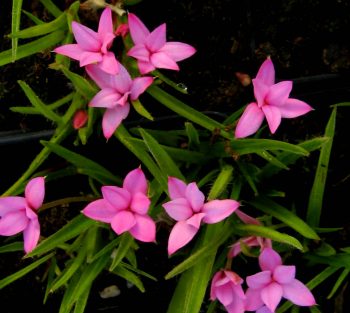
Smaller Rhodoxis with many pink small flowers. Flowers with almost closed eye. Flowering and growing well.
Rhodoxis Sandy
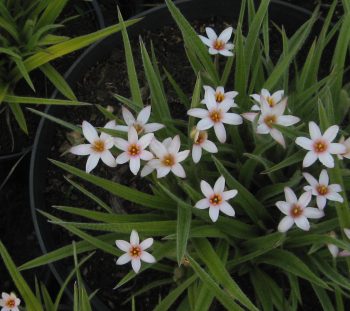
Rhodoxis closest to Hypoxis in leaves and flowering. Flowering from early June till in October. Growing very well.
Rhodoxis Sandy Light Yellow
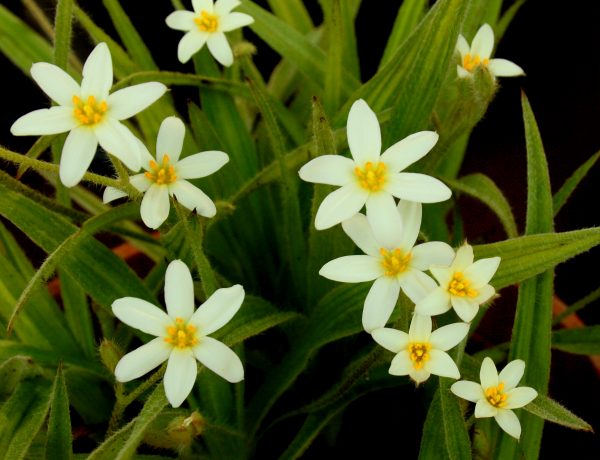
Growing like Rhodoxis Sandy. Flowers a light pink.
Rhodoxis Sarah
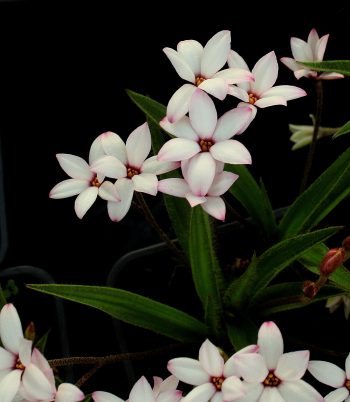
A Rhodoxis with pink edged white flowers. In the middle of the flower a red eye with prominent yellow anthers. Flowering and growing well.
Rhodoxis Semiplena
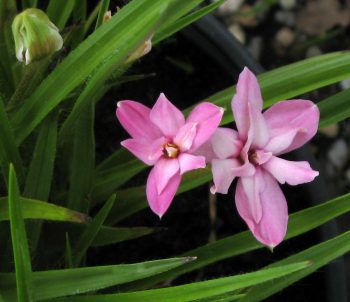
A larger Rhodoxis with semi-double pink flowers. Longer leaves.
Rhodoxis Solène
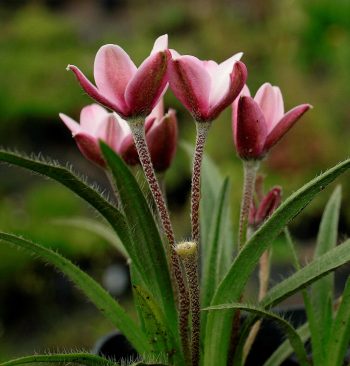
A smaller Rhodoxis from a crossing with Hypoxis. Beautiful colors of the petals. Flowering for a long time.
Rhodoxis Sonja
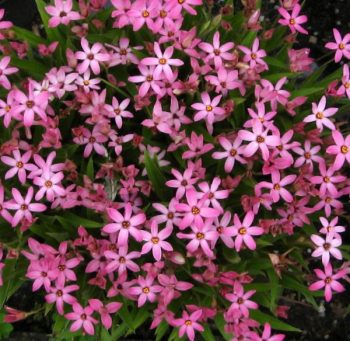
A Rhodoxis with many pink flowers, flowering well above the leaves. And growing very well.
Rhodoxis Sue
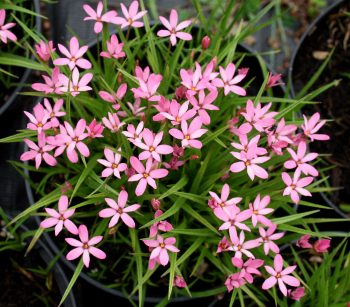
A small Rhodoxis with many small pink flowers. Inner 3 petals a lighter pink than the 3 outer petals. A seedling from a cross between Rhodohypoxis deflexa x Rhodoxis Hebron Farm Pink. Growing and increasing very well. Rootsstocks very small.
Rhodoxis Titia
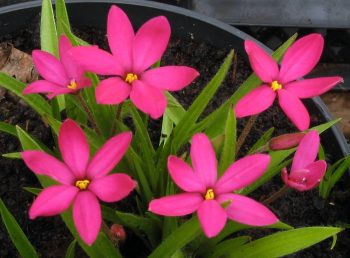
A Rhodoxis with larger red flowers flowering above the leaves. The yellow of the anthers contrasts beautiful with the red colour of the petals.
Rhodoxis Trien
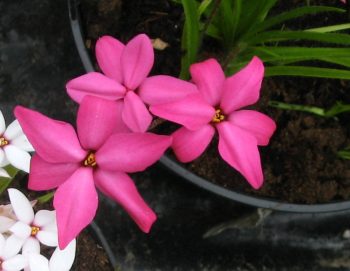
A Rhodoxis with so far one of the largest pink flowers. A larger plant for 2l pots, growing well.
Rhodoxis White Knight
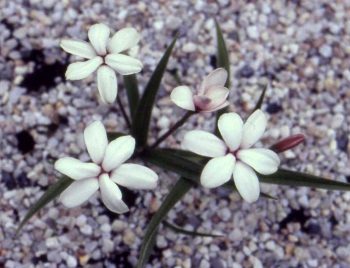
A smaller English Rhodoxis with smaller cream-white flowers with a small red eye. Flowering for a longer time but slow growing.
Rhodoxis White Ria
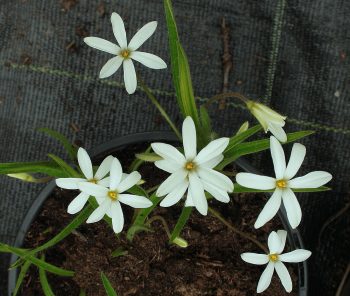
A white mutant of Rhodoxis Ria. Growing and flowering as Rhodoxis Ria.
Rhodoxis White Sandy
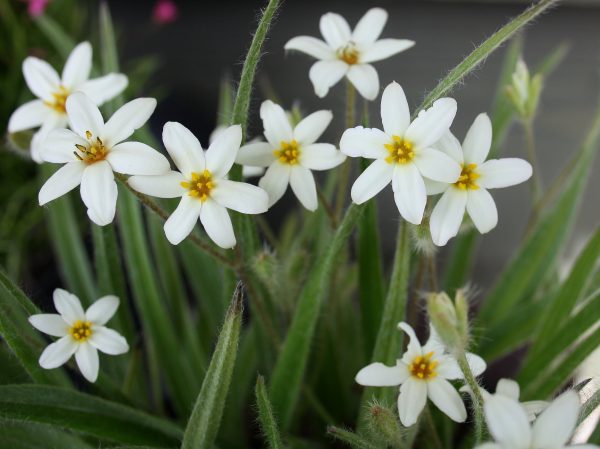
A mutant of Rhodoxis Sandy with white flowers. Growing and flowering well.
Rhodoxis White Stars
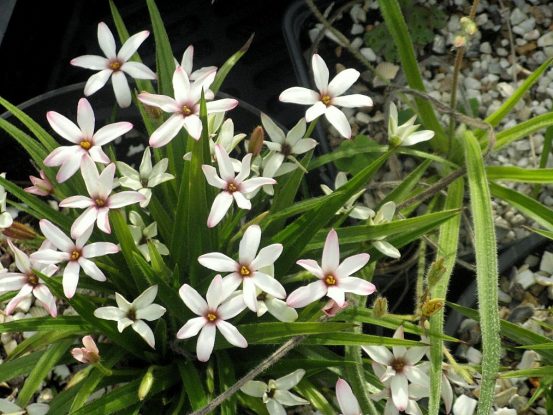
An English Rhodoxis with many cream-white flowers. Plant a little untidy.
Rhodoxis Wies
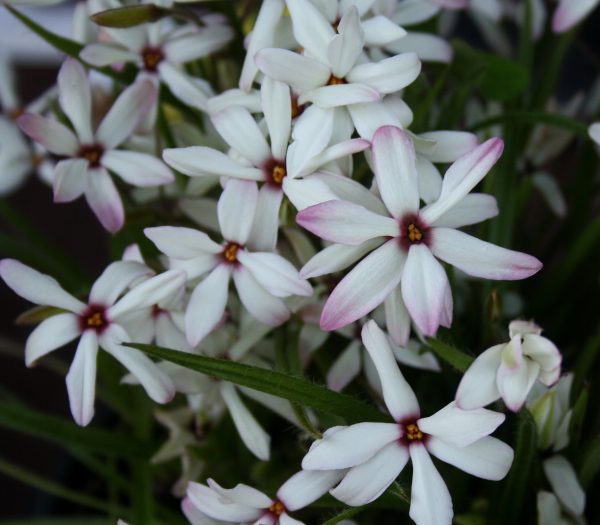
Larger flowers on large stems. Plant is large and a little untidy.
Rhodoxis Willie
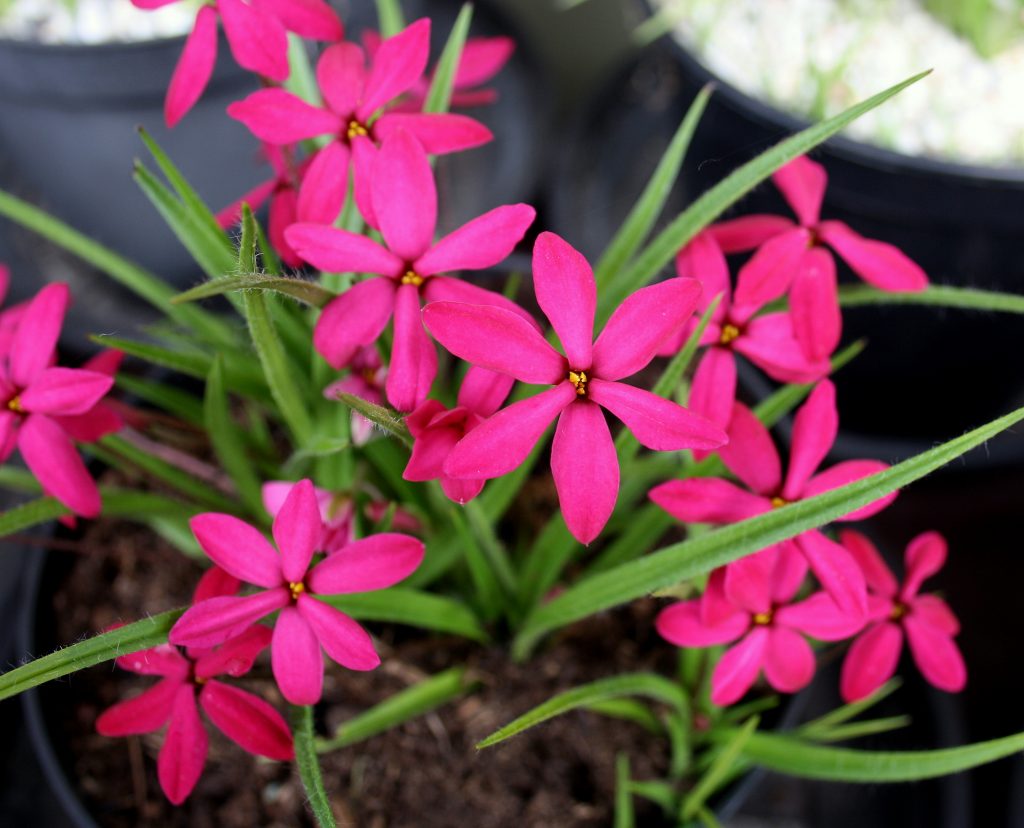
Larger Rhodoxis with larger red flowers. Flowering for a longer time. Plant in 2l or 3l pots for better flowering. Growing well.
Hypoxis species
Hypoxis angustifolia
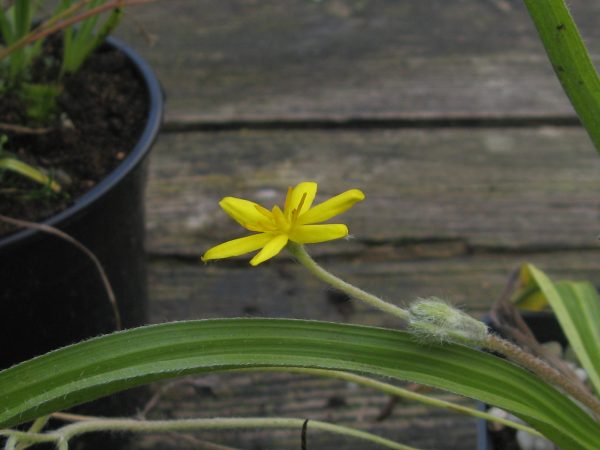
Hypoxis hemerocallidea
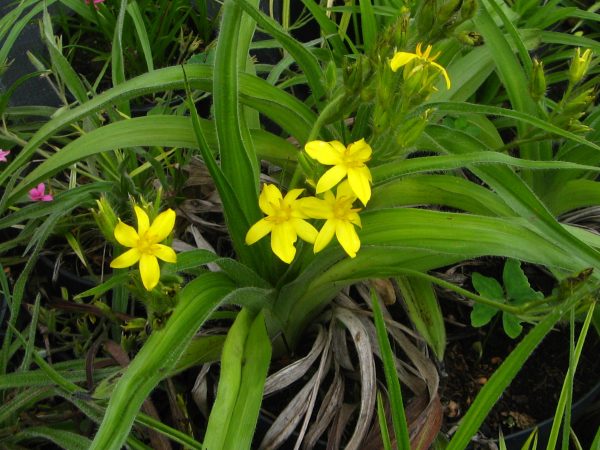
Hypoxis hygrometrica
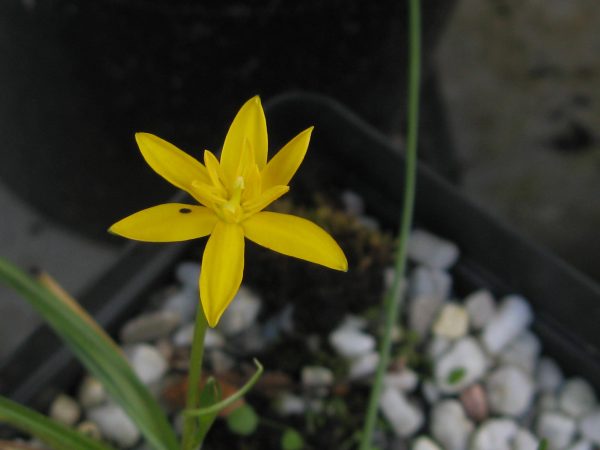
Hypoxis longifolia
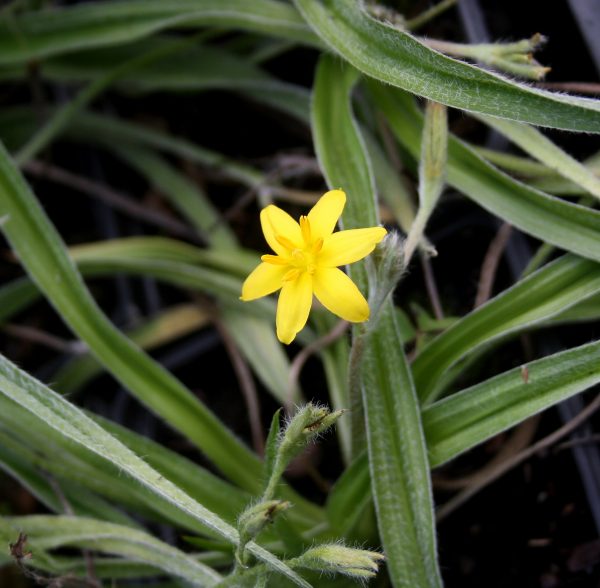
Hypoxis setosa
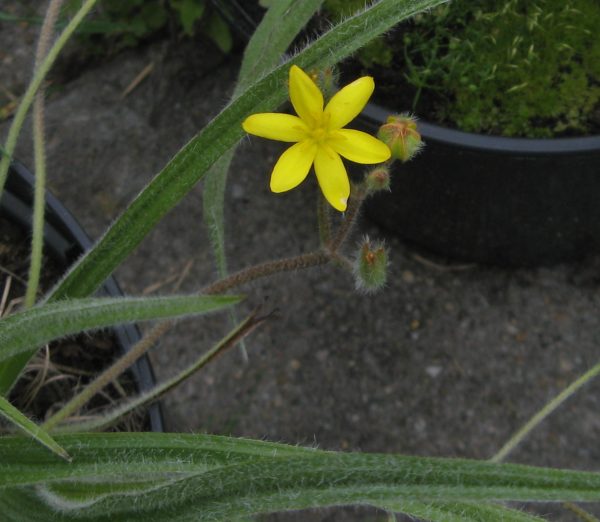
Hypoxis villosa
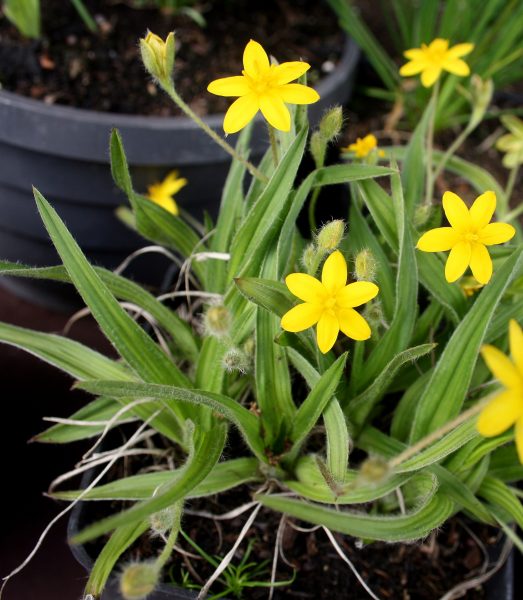
Hypoxis seedling
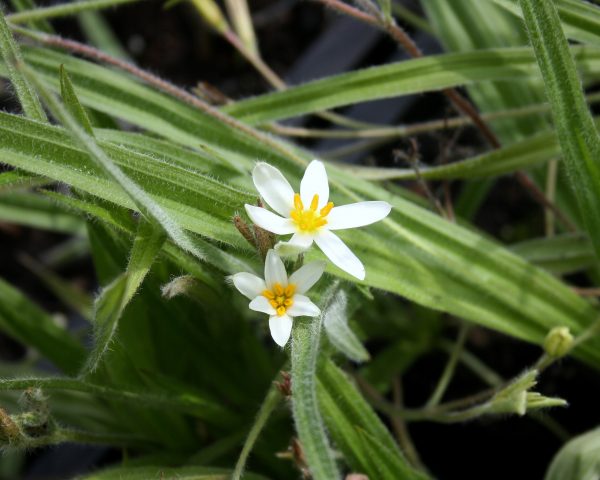
Hypoxis seedling